Bui National Park Adventures
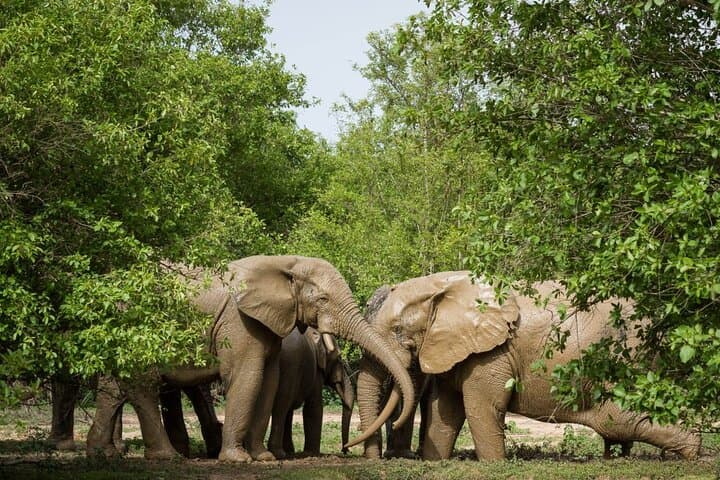
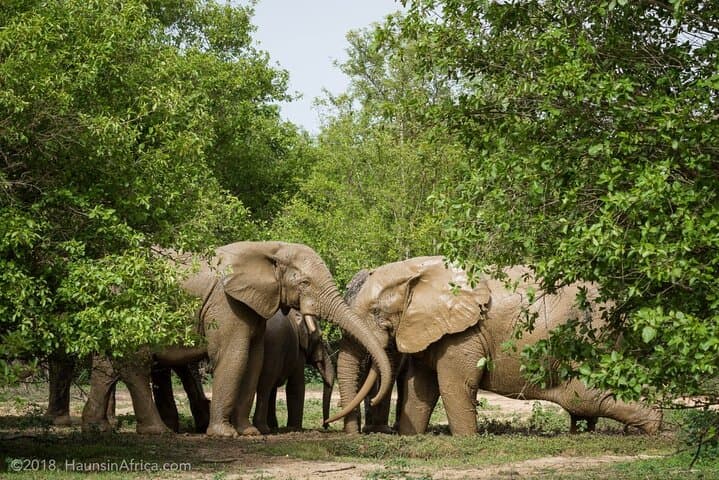
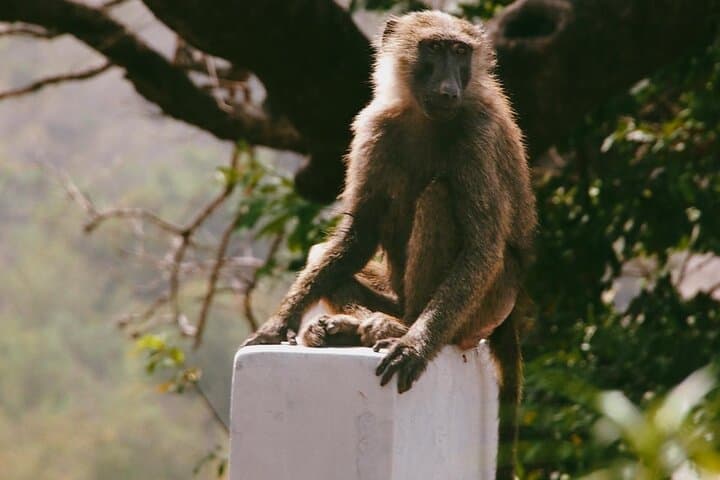
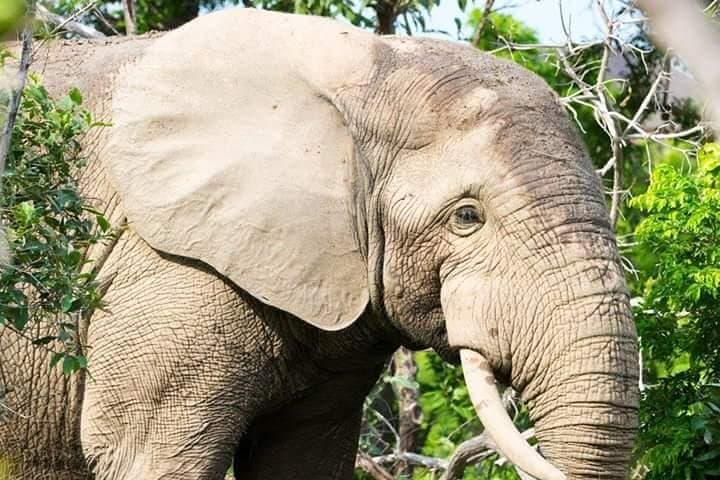
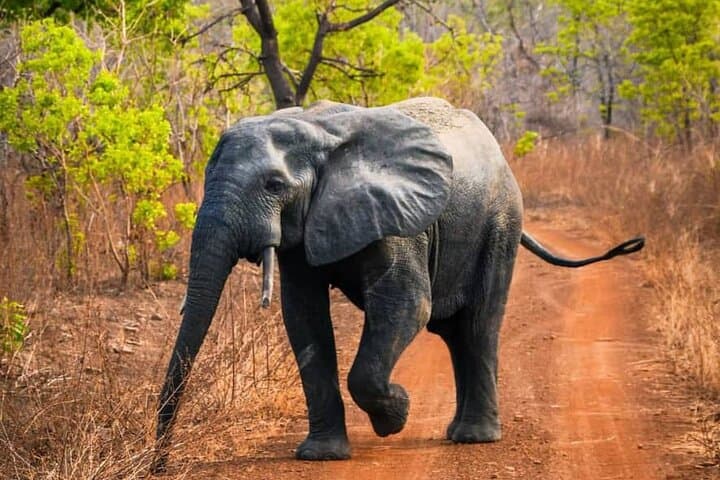
Bui National Park offers a diverse array of wildlife viewing opportunities, including hippos in the Black Volta River, set against a backdrop of savanna and forest landscapes.
Popular Activities
Plan Your Visit
Everything you need to know to prepare for an unforgettable trip to Bui National Park.
Entrance Requirements
Permits are required for entry, available at the main park headquarters.
Best Time to Visit
Visit during the dry season from November to April for easier access and better wildlife visibility.
Visitor Information
Main visitor center is located near Bongase.
Getting There
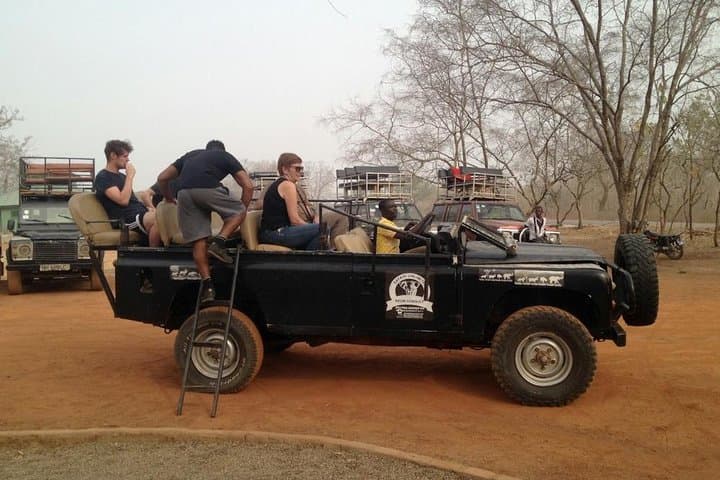
Access via dirt roads from Banda Nkwanta; 4WD recommended during the wet season.
Weather & Climate
The park experiences a dry season from November to April with temperatures ranging from 70°F to 100°F. The wet season spans May to October, marked by significant rainfall and lower temperatures.
Conservation Efforts
The park is threatened by poaching and habitat fragmentation. Conservation efforts focus on anti-poaching measures and sustaining the hippo population.
Camping in Bui National Park
Find the perfect spot to stay overnight and immerse yourself in the details.
Hippo Camp
Located close to the Black Volta River, this site offers basic amenities and a frontier feel.
Banda Peaks Camp
Set amongst the Banda Mountains, ideal for those seeking solitude and natural beauty.
Top Trails
Black Volta Nature Trail
Follows the river, offering opportunities for wildlife viewing including hippos and birds.
Banda Mountain Loop
Challenging trail through the hills with panoramic views of the park.
Savanna Woodland Walk
An easy stroll through savanna landscapes highlighting diverse flora.
Trailblazer Tips
Arrive early in the morning for the best wildlife viewing experiences near the river.
The dry season, from November to April, is optimal for visits as wildlife congregates around water sources.
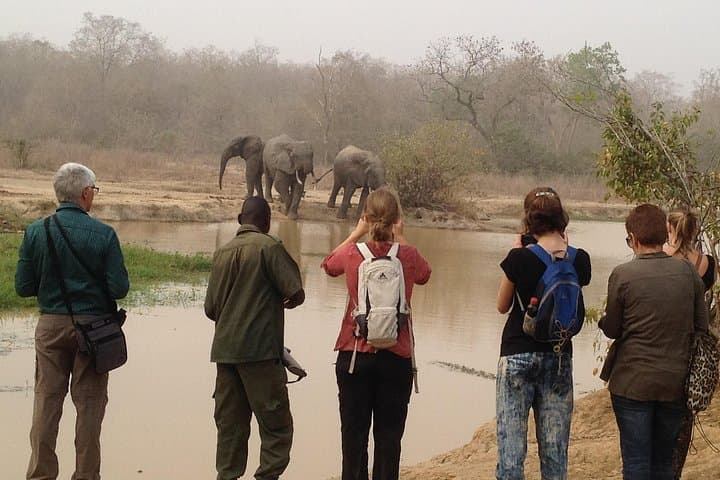
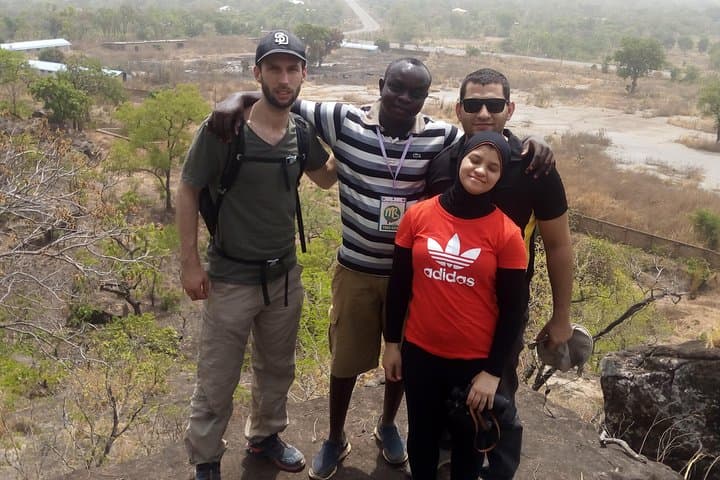
Guided tours are recommended for safe navigation and deepening understanding of the park’s ecosystems.
Bring binoculars for better viewing of distant wildlife and bird species.